Oil, Fuel and Mazut Heating
Heavy fuel oil and mazut are too thick to pump or burn cold, so they are heated in the tank and again at the burner. Oil is the least forgiving medium a heating element works in: it carries heat away slowly, and any sheath that runs too hot chars the oil onto itself.
Ask for a Price or Technical Advice
Call us or send a WhatsApp message for a price, full specifications, or a custom build.
The Job
Heavy oil has to be brought up to a temperature where it flows and atomises, without cooking onto the surface of the element that is heating it.
Working Conditions
The usual figures for this application. Yours may differ, and the element is sized from your figures, not these.
| Property | Value |
|---|---|
| Medium | Mazut, heavy fuel oil, diesel, thermal oil, lubricating oil |
| Storage tank temperature | 40 to 70 °C |
| Burner line temperature | 90 to 130 °C |
| Thermal oil systems | Up to 300 °C |
| Safe watt density, heavy oil | 1 to 2 W/cm² |
| Safe watt density, light oil and diesel | 2 to 3 W/cm² |
| Usual sheath materials | Stainless 321, stainless 316, Incoloy 800 |
What Suits It
The element types that fit this job, best first.
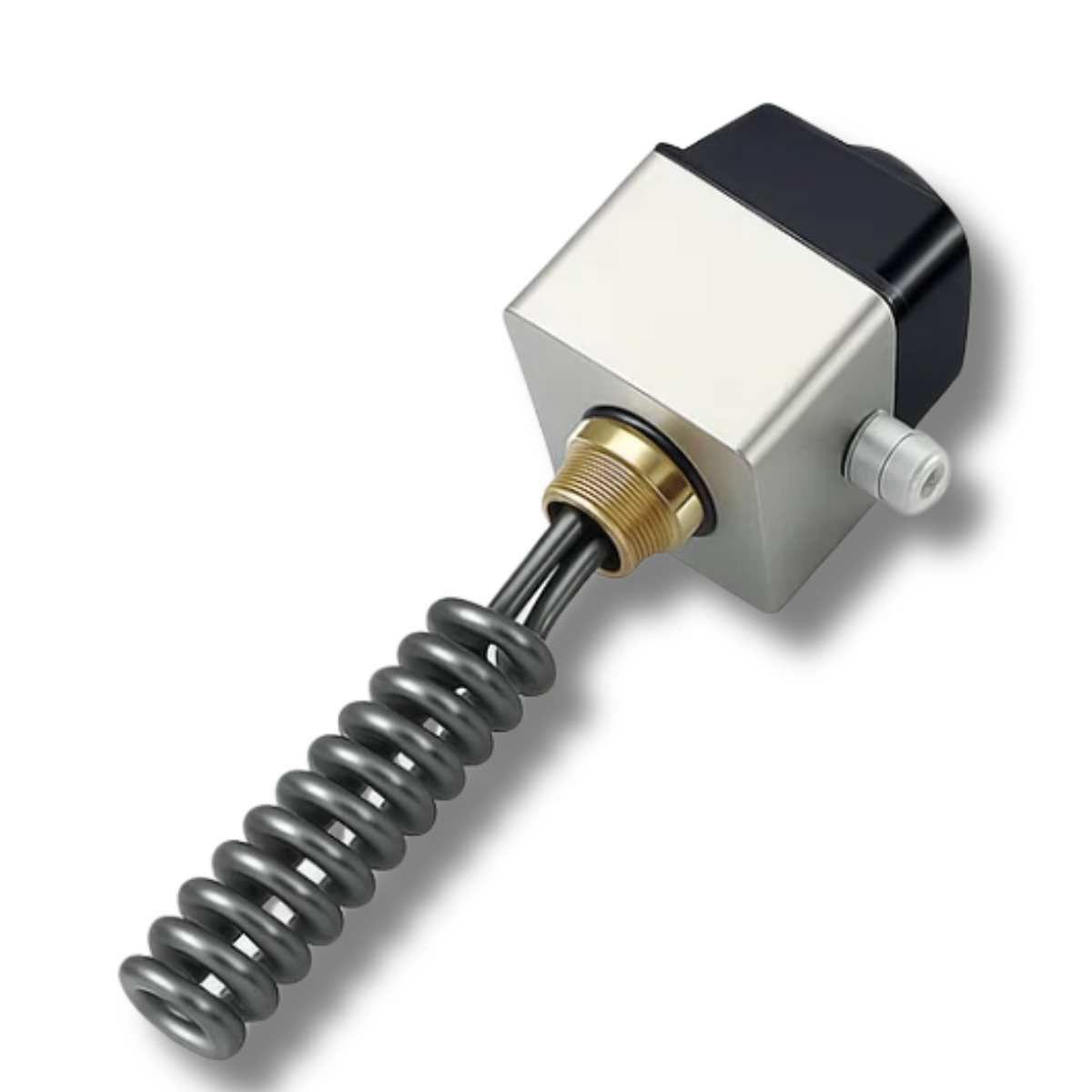
Oil and Chemical Heater
An oil and chemical immersion heater is built for liquids that punish an element: thermal oil, diesel, mazut, acids, alkalis and plating solutions. It runs at a low watt density so the sheath never gets hot enough to char the oil, and its sheath material is chosen for what the liquid does to metal.
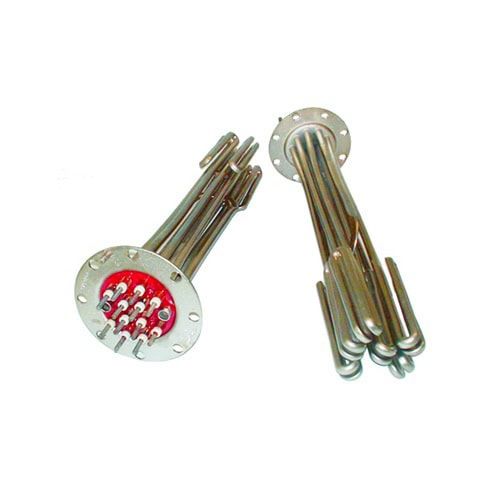
Flanged Heater
A flanged immersion heater is a bundle of hairpin elements welded into a flange that bolts onto a matching flange on the vessel. It is how large powers are put into a tank — tens of kilowatts, three phase — and it is the build used where there is pressure, a hot oil circuit, or a boiler.
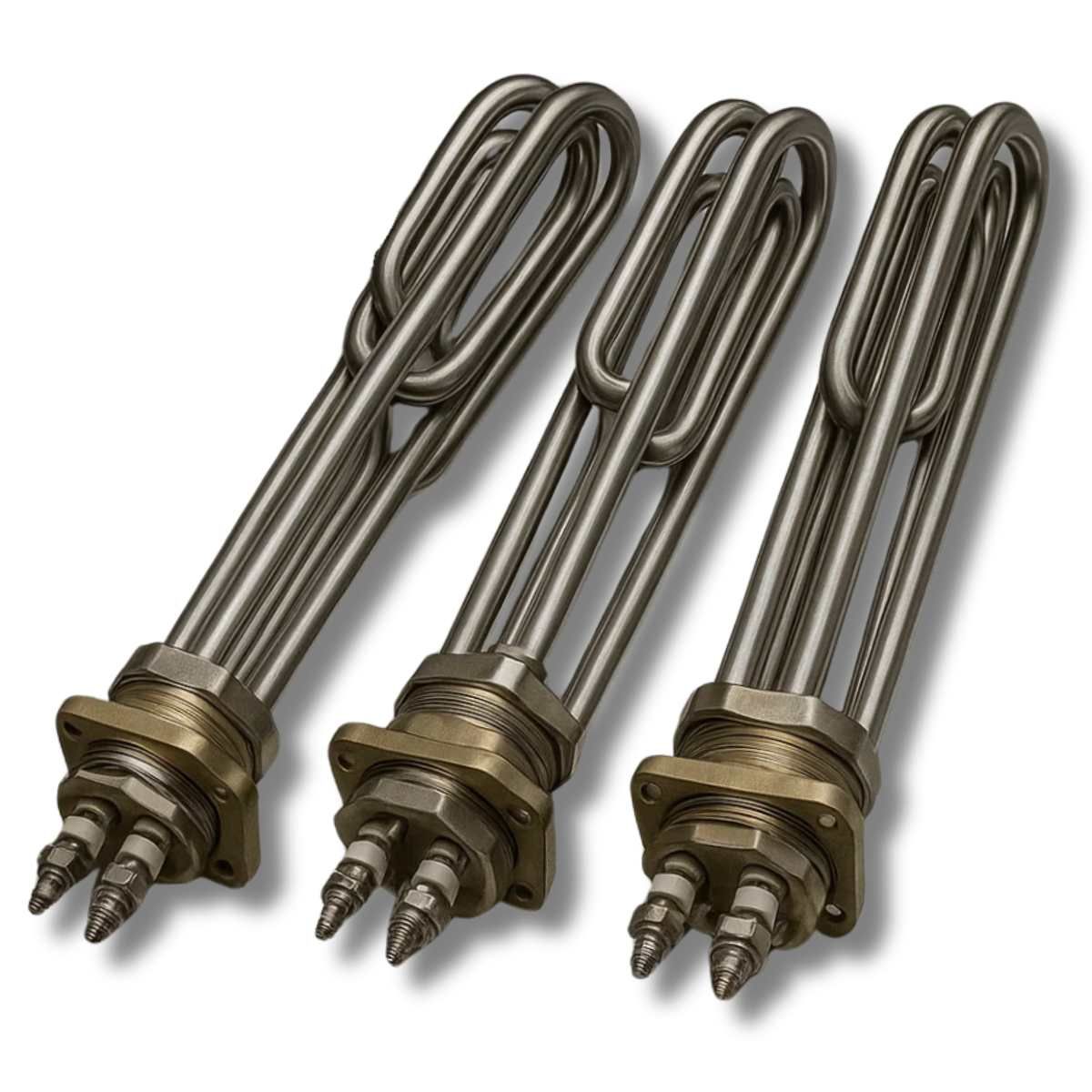
Screw Plug Heater
A screw plug immersion heater is a hairpin element brazed or welded into a threaded plug, so it screws straight into a boss on the side or the top of a tank. It is the simplest sealed way to put heat inside a vessel, and it suits tanks up to a few kilowatts at low and medium pressure.
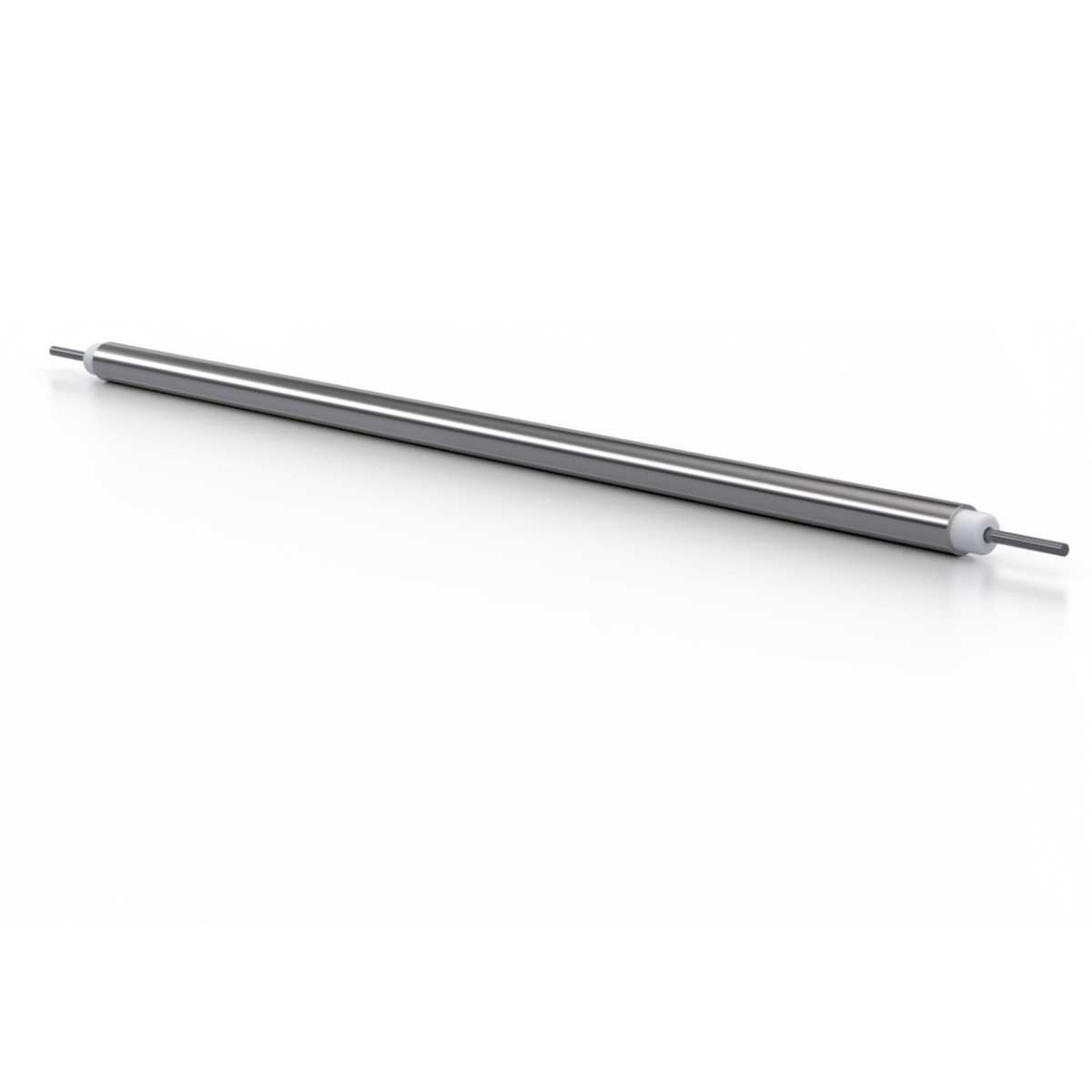
Straight Tubular Heater
A straight tubular heater is the simplest form of tubular element: one straight rod with no bends and a terminal at each end. It is made for places that already have a straight bore, pipe or channel, where the element can sit in without changing direction.
Formed Tubular Heater
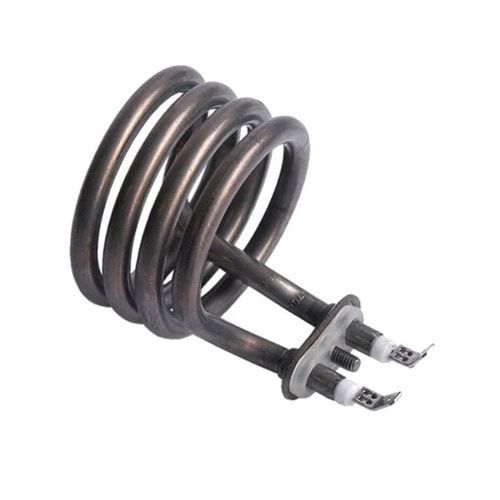
A formed tubular heater is a tubular element bent into shape after it is made: a U, a ring, a spiral, or whatever the drawing calls for. Bending lets you fit a long heated length into a small space, or match the element to the shape of the part it heats.
Drum and Tank Heater
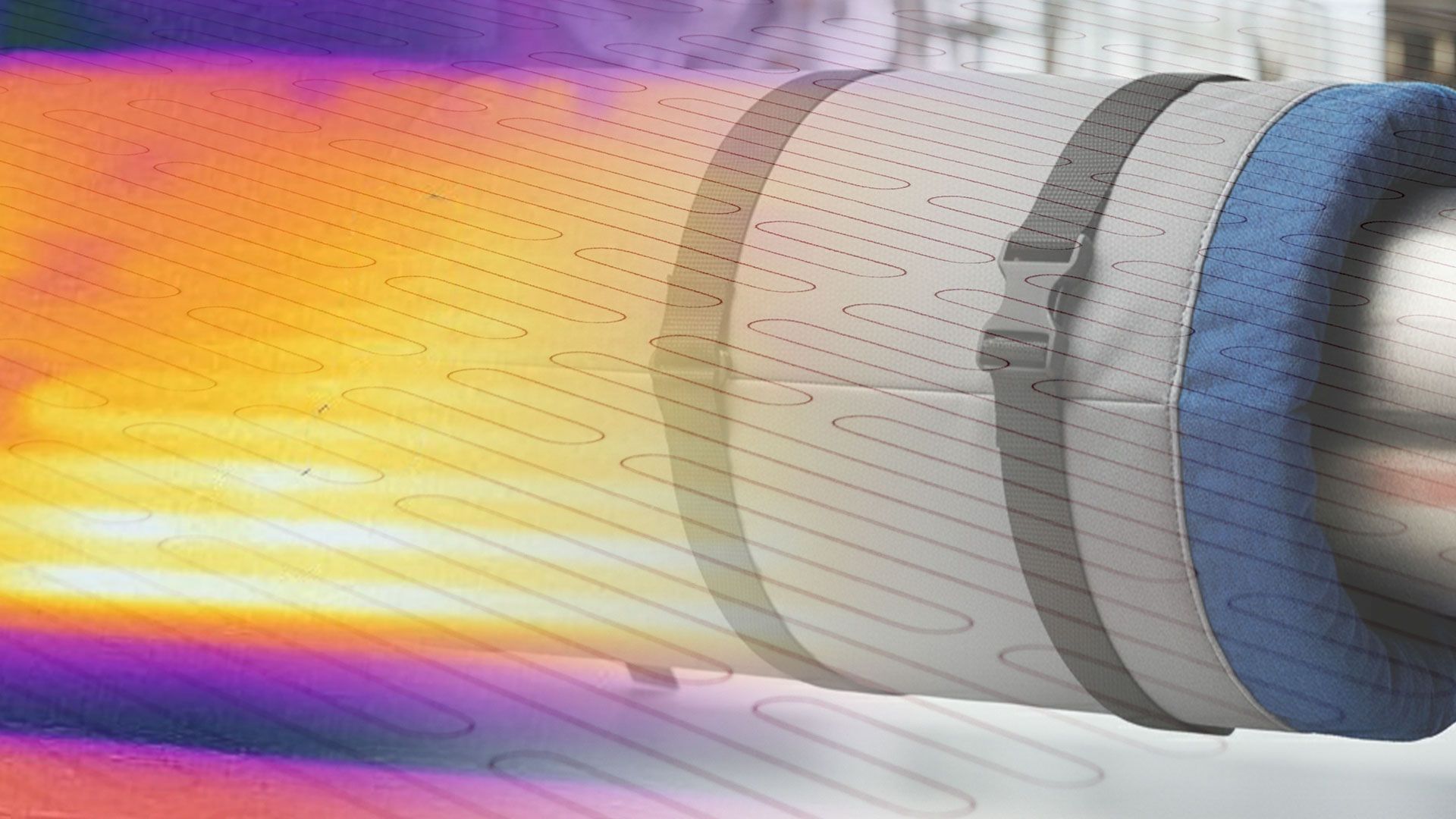
A drum and tank heater is a flexible jacket that straps around the outside of a drum, a barrel or a small tank and warms the contents through the wall. Nothing goes into the liquid, so it suits material that must not be contaminated and vessels that have no opening to fit an element into.
How to Get It Right
Oil is the strictest medium there is
Every rule about watt density that applies loosely in water applies strictly in oil. Water takes heat off a sheath eagerly; oil takes it off grudgingly. That gap between the oil temperature and the sheath temperature is where the trouble lives. The oil in the tank can be at a comfortable 60 °C while the skin of the element is at 250 °C, and it is the skin temperature that decides whether the oil cracks.
For heavy fuel oil and mazut, 1 to 2 watts per square centimetre is the working figure across the industry. Diesel and light oils tolerate 2 to 3. If the calculation comes out higher, add heated length or split the load — never accept the number because the total wattage looks right.
Carbon is a one-way failure
The first thin skin of carbon does not stop the heater working. It makes the sheath a little hotter. That extra heat chars the next layer a little faster, which makes the sheath hotter still. By the time anyone notices that the tank is slow to warm, the crust is thick and the element is cooking inside it.
This is why an oil heater that has failed once tends to fail again after replacement. The element was not faulty; the watt density was wrong. Replacing like for like buys a few months.
Two duties, two heaters
Bulk tank heating and burner-line heating are different jobs. The tank heater has to bring a large, still volume up to a temperature where it will pump — low watt density, long heated length, mounted well clear of the floor. The line heater sits just before the burner, handles a small flow, and lifts it the last thirty or forty degrees to atomising temperature.
Trying to do both with one large tank heater means running the whole tank hotter than it needs to be, which wastes energy and ages the oil.
Mount it clear of the sludge
Water and sediment settle out of heavy fuel and sit on the tank floor. An element mounted low bakes that layer onto itself and, where there is water, corrodes at the same time. Leave a clear gap underneath, and where the tank has a drain, know where it is before choosing the mounting height.
Protection is not optional here
Oil is a fire risk, so a low-level cut-out and an independent over-temperature cut-out are part of the installation, not extras. The control thermostat should read the oil itself, out in the tank, not the tank wall — a wall probe lags the oil badly and lets the element overshoot on every cycle.
What Usually Goes Wrong
The mistakes that shorten an element's life on this kind of job.
- Using a watt density meant for water. In oil that figure chars the fuel onto the sheath within days.
- Ignoring the carbon layer once it forms. It insulates, so the sheath gets hotter, which chars faster — the failure feeds itself.
- Sizing the tank heater to do the burner's job. Bulk heating and line heating are two duties and usually two elements.
- Leaving the element close to the tank floor, where sludge and water settle and bake on.
- No low-level or over-temperature cut-out, on a medium that is also a fire risk.
- Fitting a thermostat that reads the tank wall instead of the oil.
Common Questions
Why is watt density so much lower in oil than in water?
Oil is thicker and conducts heat far less well, so it takes heat off the sheath slowly. The sheath therefore runs much hotter than the oil around it. Above roughly 2 W/cm² in heavy oil, that surface temperature is enough to crack the oil and leave carbon behind.
What happens when oil chars onto the element?
The carbon forms an insulating crust. Heat can no longer escape into the oil, so the sheath temperature climbs, which chars the next layer faster. The element eventually fails from the inside while the tank is still cold.
Which sheath material for mazut?
Stainless 321 is the usual choice, and Incoloy 800 where the temperature is higher or the fuel is sour. Carbon steel is used in some tank heaters but corrodes wherever water settles out of the fuel.
Do I need one heater or two?
Two duties, usually two heaters. A low-watt-density immersion heater keeps the whole tank pumpable, and a smaller in-line heater lifts the oil to atomising temperature just before the burner.
Can the element be cleaned once it has carbon on it?
Sometimes, with a solvent soak and a soft brush — never by scraping, which scores the sheath and gives the next layer somewhere to key onto. If it has carboned once, the watt density is wrong and it will do it again.
Is a thermal oil system different?
Yes. Thermal oil runs much hotter, up to about 300 °C, in a closed circulating loop. The element must be sized on flow rate as well as watt density, and the loop must never be started with the pump off.
Ask for a Price or Technical Advice
Call us or send a WhatsApp message for a price, full specifications, or a custom build.
Last updated: